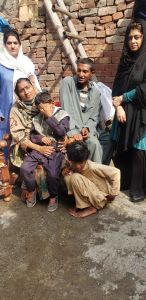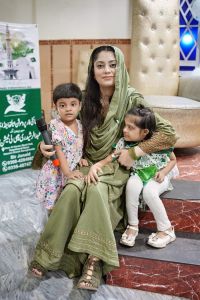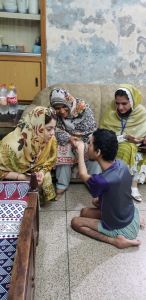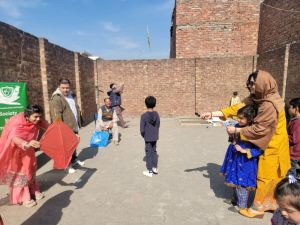
Training that builds independence
Skills for Livelihood
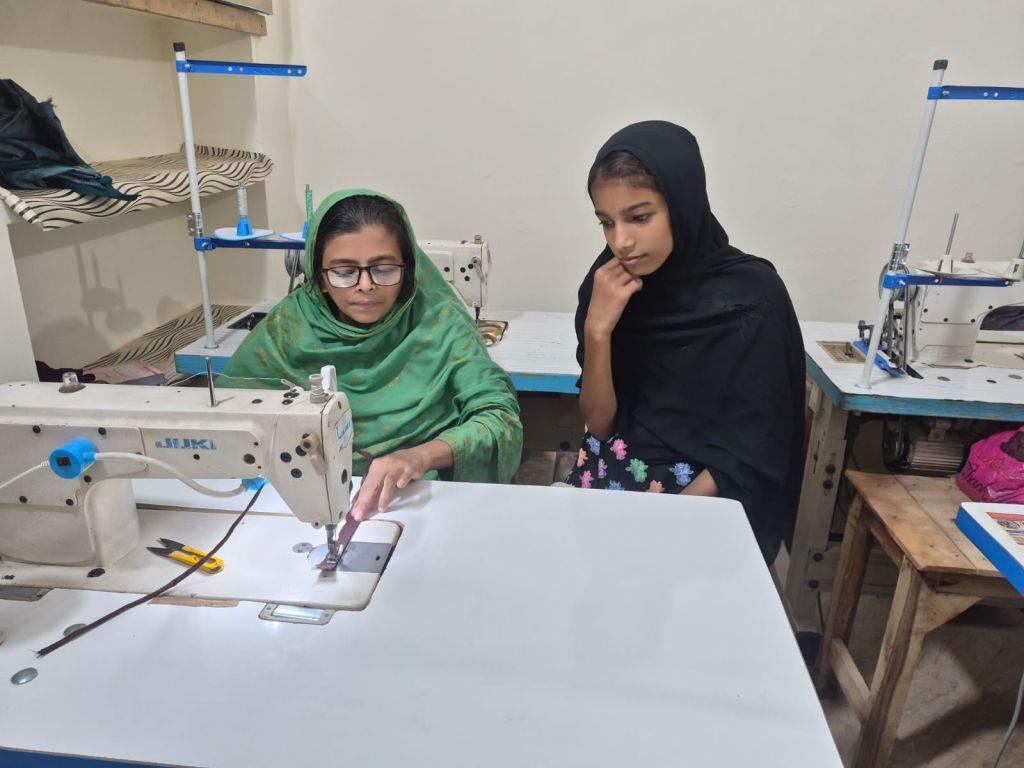
A specialized vocational training initiative for special needs persons, resilient mothers, widows, and divorced women. Learn tailoring, build a skill, and achieve financial independence.
Why livelihoods are central to SPHE’s mission
At SPHE, we believe that true empowerment begins with financial independence. Livelihood is not just about earning money- it is the foundation of dignity, safety and hope. For the communities we serve, especially vulnerable women and special needs persons, a stable income means:
Breaking the cycle of poverty:
A mother’s income directly impacts her children’s education and health.
Restoring dignity:
Widows and divorced women often face social stigma; earning their own living restores their voice and decision -making power.
Inclusion:
For special needs persons, vocational skills prove capability and open doors to societal respect.
Self-Reliance:
It transforms beneficiaries from aid-recipients into active contributors.
Without livelihood, empowerment is incomplete. That is why skills training is at the heart of SPHE’s mission.
Stitching a Future
To turn our mission of livelihood into reality, SPHE proudly runs the Rozgar Program-a 3-month comprehensive stitching course.
Who We Serve:
We focus on the most vulnerable members of our community who are determined to rebuild their lives:
*Resilient mothers
*Widows and divorced women
*Special needs persons
What We Do:
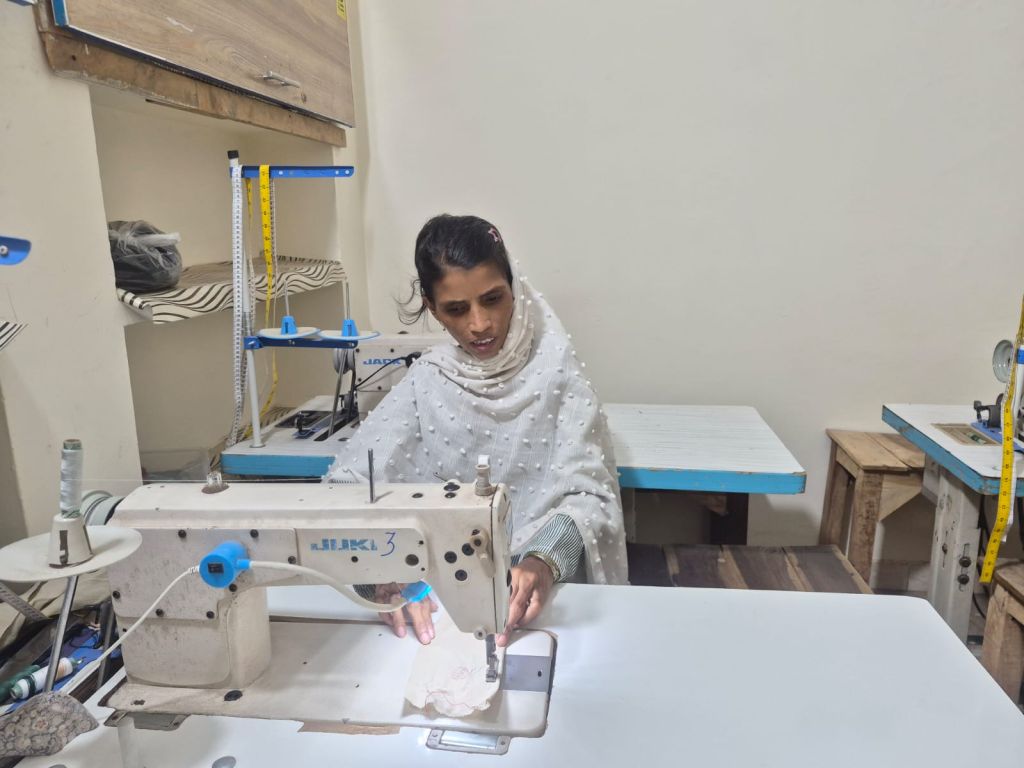
Over three months, participants learn tailoring from scratch, including cutting, stitching, and finishing garments. But we don’t stop at sewing; we also teach basic business skills so they can price their work, find clients, and earn from home.
The Impact:
By the end of the course, our graduates hold a marketable skill, a certificate, and the ability to generate a sustainable income. They leave not as victims of circumstances, but as empowered breadwinners and entrepreneurs.
Course tracks
- Tailoring and embroidery for home-based or boutique orders
- Basic digital skills for freelancing, record-keeping, and online markets
- Small retail and inventory basics for kiosk or cart businesses
- Customer service and financial literacy woven through every track
From enrolment to first sale
- Open application and interview to confirm motivation and availability
- Placement into a track matching interest, prior skill, and local demand
- Hands-on classes with attendance and quality checkpoints

Training that builds independence turns today’s practice stitch into tomorrow’s paid order.
Starter kits and mentoring
Kits are track-specific: sewing machines or tool sets, packaging materials, basic smartphones for digital cohorts where budget allows, and safety gear. Mentors—often previous graduates—check in weekly at first, then biweekly. Conversations cover cash flow, quality complaints, time management, and confidence. Mentoring reduces the lonely failure that ends many micro-enterprises in month two.
Markets and dignity
SPHE helps graduates find customers through local bazaars, school uniform orders, catering for community events, and online catalogues. We discourage exploitative middlemen and teach participants to calculate costs honestly. The message is clear: your labour has value; price it sustainably.
| Stage | Support provided |
|---|---|
| Learning | Curriculum, trainers, practice materials |
| Launch | Starter kit and first customer introductions |
| Stabilise | Mentoring, peer circles, repair help for tools |
| Grow | Advanced workshops and collective marketing |
Inclusion within livelihoods
Participants with disabilities are welcomed with adapted workstations and flexible hours. Young mothers can attend sessions with childcare arrangements when partners help. Schedules respect household rhythms because the best curriculum fails if attendance is impossible.
Accountability to supporters
We track enrolment, completion, toolkit delivery, and income activity at three and six months. Not every graduate becomes a full-time entrepreneur; some secure wage work using new skills, which we also count as success. Reports share aggregate results and anonymised stories. Donors can fund a full cohort, a single toolkit, or mentoring stipends.
Money confidence and household negotiation
Earning is only half of livelihood stability; keeping and deciding over money is the other half. Courses include simple ledgers, separating business cash from kitchen cash, and practising respectful negotiation at home when a woman begins to earn. These conversations can be sensitive. Facilitators are trained to avoid inflaming conflict while still affirming participants’ agency.
Peer savings circles, where participants choose them, create accountability and emergency buffers. Small weekly deposits turn into resilience against a sick child or a broken tool. SPHE does not run heavy microfinance; we encourage habits and connections that participants themselves control.
Quality standards customers can trust
Home-based producers sometimes underprice or overpromise. Trainers teach finish quality, delivery timelines, and honest communication when delays happen. A reputation for reliability wins repeat orders faster than the cheapest bid. Graduates practise packaging that looks clean and professional, because presentation is part of product value.
Digital track students learn photo basics, caption writing, and safe online behaviour. We warn against predatory buyers and data risks. Technology is a tool for reach, not a replacement for judgment.
Alumni as the next faculty
The strongest trainers are often former trainees. Alumni return to demonstrate techniques, share failure stories, and host shop-floor visits. This pipeline keeps curriculum grounded in real markets and gives graduates status as knowledge holders. SPHE invests in their facilitation skills so the program multiplies leaders, not only beneficiaries.
Annual alumni meetups surface product ideas and collective bulk-buying opportunities for thread, packaging, or phone data. Collaboration reduces isolation—the silent enemy of micro-enterprise.
Safety at home workplaces
Home-based production can hide hazards: poor lighting, unsafe wiring, repetitive strain, and child labour risks. Trainers inspect practice spaces respectfully and recommend low-cost fixes—better bulbs, stretch breaks, tool height adjustments. Children should not operate machinery or miss school to fill orders. Clear policies protect both young people and the program’s integrity.
Fire safety and first aid basics are taught in every track. A single workshop accident can erase months of progress. Prevention is cheaper than emergency response and far kinder.
Storytelling for customers and donors
Graduates practise telling the story of their craft without performing poverty. Customers buy quality and reliability; donors fund opportunity. Both audiences deserve honesty. We help participants photograph products well, write short captions, and decline requests that feel extractive. Voice ownership is part of economic empowerment.
Local exhibitions timed with festivals create seasonal spikes in income and confidence. SPHE helps with stall fees when budgets allow, then steps back so graduates manage customer flow themselves—the rehearsal for independence.
Skills for Livelihood will keep aligning courses with real demand—repair trades, eco-friendly packaging, and digital freelancing as markets shift. The constant is respect: people are capable; they need pathways, practice, and partners. When those arrive together, independence is not a slogan.
Graduates often return months later not to ask for help, but to refer a neighbour into the next cohort. That cycle—from trainee to mentor to community advocate—is the clearest sign that Skills for Livelihood is working as designed.
It is a weekly wage, a paid invoice, and a future children can see.