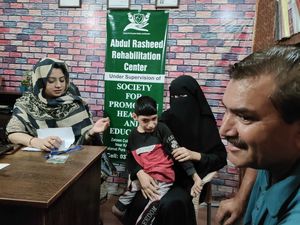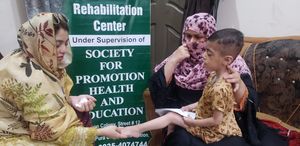
Every child deserves a classroom
School Learning Support

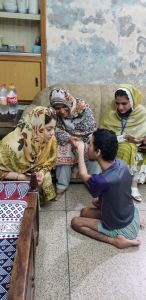
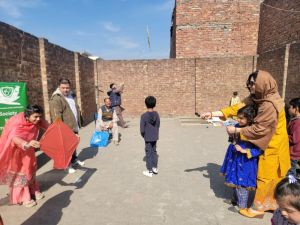
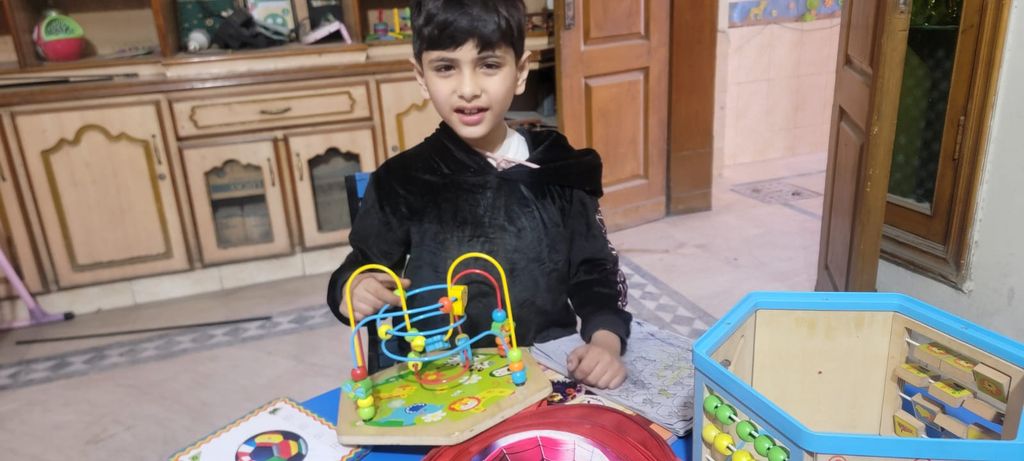
Learning should be active, joyful, and matched to each child’s ability. At our Centre, we use educational toys and structured activities to build communication, attention, motor skills, social skills, and early literacy and numeracy.
Each child receives an Individual Education Plan (IEP) with clear goals. We support children who already in school, children preparing for school, and children who need extra help to stay in school.
What this includes:
*Assessment and IEP planning
*Educational toy-based learning
*Speech, language, and communication support
*Occupational therapy and sensory activities
*School readiness and transition support
*Parent coaching for learning at home
Our Data:
*Children with active IEPs:
*Children transitioned to mainstream school:
*Average attendance :
The challenge we address
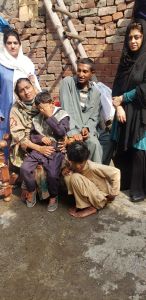
Many children with disabilities in Daroghawala are out of school, hidden at home or unable to access therapy. Families face stigma , distance cost, and a lack of trained teachers and learning materials. Without early support, children lose confidence and valuable learning years.
The reality we see
*Children with disabilities out of school:
*Children on our waiting list:
*Distance to nearest special education or therapy:
*Parents who didn’t know about early intervention:
*Dropout rate among children with disabilities:
We eist to change this-one child, one family, one school at a time.
Core activities
Our Centre provides a full circle of support
- Early screening and assessment
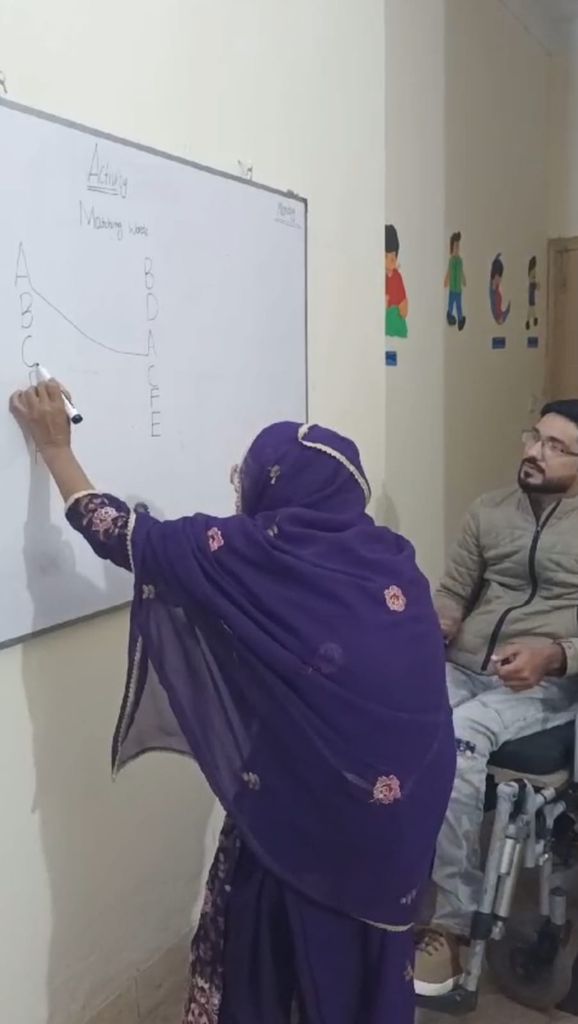
- Special education sessions
- Speech therapy
- Occupational therapy
- Physiotherapy
- Behavior and social skills support
- Sensory play and educational toy activities
- Parents training and home programmes
- School liaison and teacher training
- Nutrition screening and referrals
- Home visits and follow-up
Monthly Activity Data
- Education sessions
- Therapy sessions
- Parents session
- Home visits
How a Learning Cycle Works
Each child moves through a clear, repeated cycle:
- Referral or Identification-from a parent, school, health worker, or community.
- Baseline assessment-understanding the child’s strength and needs.
- IEP goal setting-choosing 2-3 goals with the family.
- Toy-and activity-based teaching-learning through play, sensory materials, and repetition.
- Progress monitoring-tracking attention, communication, motor skills, and social skills.
- Review and next steps- updating goals every []
- Transition-to school, to a higher level, or to home based learning with parents support.
Our cycle data:
- Children assessed: []
- Average goals per child: []
- Goals achieved: []
- Parent participation rate: []
A notebook can keep a child in class. A tutor can keep hope alive. Together they protect a future that poverty tries to shorten.
Supporting girls and first-generation learners
Special attention goes to girls and to children whose parents never completed primary school. Mentoring circles create safe spaces to talk about homework routines, peer pressure, and aspirations. Where transport is unsafe, we coordinate walking groups or community escorts. Where menstrual hygiene causes absences, we include appropriate supplies and private information sessions led by trained facilitators.
Working with schools, not around them
SPHE don’t replace school. We strengthen it.
We partner with local schools to make classrooms more inclusive. Our team trains teachers, joins IEP meetings, demonstrates activities, and schools adapt lessons and materials. When a child is ready, we support a smooth transition into school- and we stay connected after.
| Input | Outcome we watch | Outcome we watch |
|---|---|---|
| Trained special educators, therapists, tutors | [] sessions per month | Improved communication and self-care |
| Educational toys, sensory kits, tutors | [] children served | Better school enrolment and retention |
| Parent training and home visit | [] parents trained | Strong parent confidence |
| Nutrition support and referrals | [] children screened | Improved attendance and concentration |
| School partnerships and teacher training | [] teachers trained | More inclusive classrooms |
We track progress honestly and review our data every [monthly/quarter]
Our school partnership work:
- Schools partnered: []
- Teacher training sessions per year: []
- Children referred from schools: []
- Children supported to re-enter school: []
Safeguarding and dignity
All tutors and volunteers receive safeguarding orientation. Sessions are held in visible spaces. Photos are taken only with consent. Student data is stored carefully and used solely for program improvement. We never shame children for poverty-related gaps; the tone is always encouragement and respect.
How you can help
You can help a child learn, communicate, and belong.
Donate
- [] provides a sensory toy kit for one child for a month
- [] sponsors [] speech therapy sessions
- [] supports a child’s IEP learning materials for []
Sponsor a Child
[amount]/month helps cover education, therapy, nutrition, and family support.
Volunteer
We need therapists, special educators, tutors, storytellers, drivers, and fundraisers.
Give In-Kind
Educational toys, picture books, sensory materials, wheelchairs, nutritious snacks, and stationary.
Partner With Us
Schools, clinics, companies, and community groups can partner with us for inclusive education.
Share
Follow us, share our stories, and help reduce stigma around disability.
Reading culture beyond the worksheet
Reading is not only copying words on a page.At our centre, children explore stories through picture books, sensory stories, puppets, audio stories, sign language, and role play.
We send take-home reading bags and coach parents to read with their children at their own pace. A child who cannot yet read words can still point, listen, turn pages, and enjoy a story.
Our reading work:
- Books and picture books: []
- Story sessions per week: []
- Take home reading bags;[]
- Parents involved in reading: []
Bridging Home and School After Disruption
Illness, family crisis, displacement, holidays, or emergencies can pull a child away from learning. We help children return- and stay.
Our team does home visits, sends toy-based learning kits, makes phone support calls, coaches’ parents, and coordinates with schools. We create a simple reintegration plan, so the child is not lost from education.
Our building support:
- Home visits: []
- Learning kits sent home: []
- Phone support calls: []
- Average days to return to learning: []
- Attendance recovery: []
Investing in tutors and teachers together
A child’s progress depends on the adults around them. We train tutors and schoolteachers side by side.
Together they learn inclusive education, IEP writing, sensory activities, behavior support, child safeguarding, and toy-based teaching. After training, we provide mentoring and co-teaching, so skills stay in the classroom.
Our Training Data:
- Tutors trained: []
- Teachers trained: []
- Training hours per year: []
- Mentoring sessions: []
- Teacher confidence increase: [90%]
Community libraries and digital caution
Where electricity and devices allow, we introduce carefully chosen educational apps under tutor supervision, never as unsupervised screen time. Digital tools supplement paper books; they do not replace the social warmth of a shared reading circle. Parents receive guidance on limiting distraction while encouraging curiosity. In low-connectivity areas we stay paper-first and proud of it, because literacy should never wait for a tower signal.
Community libraries hosted in schools or community rooms extend access beyond enrolled tutoring students. Opening hours after Maghrib or before morning assembly meet family schedules. Volunteer librarians—often older students—learn cataloguing basics and conflict resolution when two children want the same title. Leadership grows in these small responsibilities.
Nutrition and learning are linked
A hungry child cannot concentrate. A weak child cannot attend regularly.
We screen children for nutrition, provide snacks where possible, refer serious cases to health services, and teach parents about healthy, low-costed food. Nutrition is not separate from education- it is part of learning.
Our nutrition work:
- Children screened: []
- Meals or snacks provided: []
- Anaemia screening: []
- Parent nutrition sessions: []
- Attendance improvement after nutrition support: []
Contact and Referral
Refer a child:
If you know a child with a disability or learning difficulty who needs support,contat us.
Partner with us:
Schools, clinics, and community organizations are welcome.
Visit us:
Address: Daroghawala Naemi chowk opposite Al haram Shadi Hall
Phone: 0923084284683
Hours: Monday to Saturday and 8 hours