Disability Inclusive Development (DID)
Dignity, access, and opportunity
Inclusive Ability Support

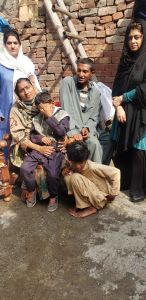
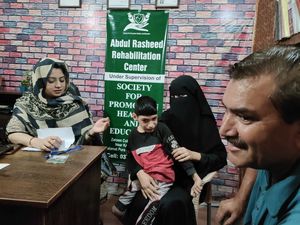
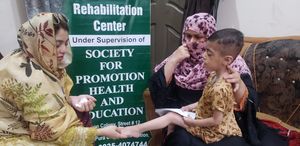
The Society for Promotion Health and Education works for the social needs of children and persons with disabilities. Our Inclusive Ability Support program provides practical help- wheelchairs, CP chairs, diapers, and hygiene supplies-while also protecting dignity, rights, and inclusion. We walk with each family from first contact to lasting support.
Understanding the barriers
Families may spend years searching for a diagnosis. Clinics are distant. Devices are expensive or poorly fitted. Schools hesitate without guidance. Employers assume inability. Women and girls with disabilities face compounded exclusion. Meanwhile, caregivers—often mothers—carry invisible workloads that limit their own health and income. Inclusive Ability Support addresses the person and the ecosystem around them.
What the program provides
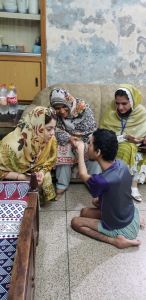
- Functional assessments with trained partners to identify needs and priorities
- Assistive devices such as wheelchairs, crutches, walkers, and hearing aids when appropriate
- Therapy referrals and follow-up reminders so care does not stop after one visit
- Caregiver training on mobility assistance, communication, and rights
- Peer support groups where families share strategies and reduce isolation
- Advocacy with schools and local offices for reasonable accommodations
A respectful pathway from first contact to lasting support
- Community outreach identifies individuals who want assessment
- Consent and goals are documented in the person’s own words
- Assessment recommends devices, therapy, or school/livelihood links
- Devices are fitted and users practise safely with guidance
- Follow-up visits check fit, repair needs, and social participation
- Successes and gaps feed into quarterly program improvements

Inclusion is not charity—it is a right we help communities uphold through access, respect, and opportunity.
Devices are tools, not miracles
A wheelchair changes mobility only when ramps, transport, and social attitudes also improve. That is why SPHE pairs hardware with soft support: caregiver coaching, school meetings, and community awareness sessions. We teach safe transfers, pressure-care basics, and maintenance. Broken devices are repaired when possible rather than discarded. Users are treated as experts in their own lives.
Education and livelihood links
Children are connected to School Learning Support when classroom participation is the goal. Adults may join Skills for Livelihood tracks adapted for accessibility. Employers and trainers receive brief orientations so adjustments feel normal rather than exceptional. The aim is participation with dignity, not segregated charity spaces.
| Barrier | Program response |
|---|---|
| No assessment | Partner clinics and trained screening days |
| Unaffordable devices | Subsidised or donated equipment with proper fitting |
| Caregiver burnout | Training, peer groups, and respite information |
| School exclusion | Teacher meetings and accommodation plans |
Safeguarding and ethics
Consent is ongoing. Adults decide for themselves; children decide with caregivers and safeguarding oversight. We avoid sensational photos. Data is confidential. Staff challenge stigma in conversation rather than ignoring it. Where abuse or neglect is suspected, referral protocols are followed immediately.
How communities and donors take part
Funding covers assessments, devices, transport to therapy, and group sessions. Local carpenters can help build ramps. Youth volunteers can support inclusive sports days after training. Professionals in physiotherapy, audiology, or special education can mentor our field teams. Every contribution should expand autonomy—not dependency.
Changing attitudes in public spaces
Assistive devices open doors; attitudes decide whether those doors stay open. Inclusive Ability Support therefore runs short community conversations in schools, markets, and union offices. We address myths politely but firmly: disability is not a curse, charity photo opportunities are not empowerment, and accessibility benefits everyone, including elders and injured workers.
Young advocates with disabilities are invited to speak when they wish, setting the agenda rather than being spoken about. Their presence alone challenges stereotypes more effectively than any brochure. SPHE’s role is to amplify, protect, and resource—not to dominate the microphone.
Repair, reuse, and local skill
A broken wheelchair abandoned in a corner is a failed investment and a broken promise. We map local technicians who can weld, stitch seating, or replace bearings. Training sessions transfer basic repair knowledge to users and caregivers. Where possible, spare parts are stocked regionally so families do not travel to a city for a single bolt.
This circular approach saves money and builds local economies. Technicians earn. Users regain mobility faster. Donors see longer life from each device funded. Sustainability here is practical metal and fabric, not only a strategy document.
Rights literacy for families
Many families do not know which public services they can request. We provide plain-language guides on education accommodations, CNIC processes where relevant, and how to escalate neglect. Rights literacy reduces helplessness. It also prepares communities to demand better public systems so NGO programs are complements, not permanent substitutes.
Staff document barriers encountered—missing ramps, inaccessible toilets, dismissive officials—and share patterns with partners working on policy. Individual casework and systems advocacy reinforce each other when done carefully and confidentially.
Sport, art, and joy as inclusion practice
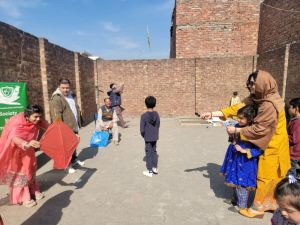
Therapy and devices are essential, yet joy is also a service. Inclusive sports days, art corners, and music circles invite participation without ranking bodies by ability. Adapted rules keep games fair and fun. Spectators learn by watching peers succeed. These events soften stigma faster than lectures because people feel belonging instead of debating it.
Art materials chosen for different grips and sensory needs let participants express identity beyond medical labels. Displaying their work in community halls claims public space. SPHE documents consent carefully and credits artists by name whenever they wish.
Transport and the last mile
Even a perfect device fails if a person cannot leave home safely. We map accessible routes, negotiate with transport unions for patient boarding, and sometimes fund accompaniment for clinic visits. Last-mile planning is unglamorous and decisive. Families tell us that a reliable ride matters as much as the appointment itself.
Where roads are impossible for wheels, we problem-solve with local knowledge—porters trained in safe carrying, temporary ramps of packed earth, or home-based therapy visits. Context decides method; dignity decides quality.
Inclusive Ability Support will keep growing toward more accessible venues, better repair networks, and stronger policy advocacy. Until public systems fully include everyone, SPHE will continue closing gaps with practical help and unwavering respect. Belonging is the destination; devices and coaching are vehicles that help people travel there.